

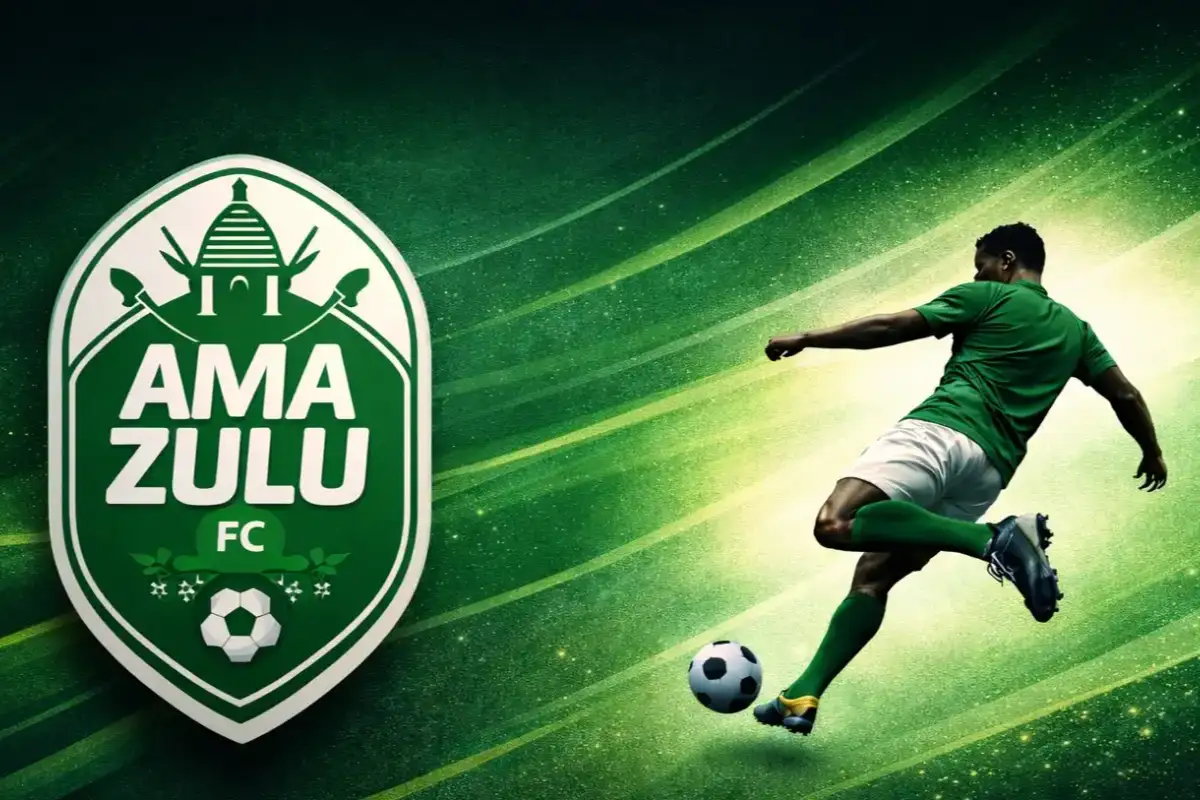
AmaZulu FC, affectionately known as Usuthu, stands as one of the oldest and most culturally significant pillars of South African football. Based in the coastal city of Durban, the club carries a rich heritage dating back to 1932, blending royal Zulu tradition with the modern ambition of the Premier Soccer League.
Usuthu: The Pride of KwaZulu-Natal
Few clubs in the Premiership possess the historical gravity of AmaZulu. Originally formed by Zulu migrant workers, the club has evolved from a community institution into a professional entity capable of challenging the country’s elite. The club represents the spirit of the Zulu Kingdom. This deep connection to local culture makes their home matches a vibrant display of song, dance, and unyielding support.
Under the ownership of Sandile Zungu, the team has aimed to transform from a sleeping giant into a consistent title contender. While they share the city with rivals like Golden Arrows, AmaZulu commands the largest historical fanbase in the province. They play their marquee home fixtures at the iconic Moses Mabhida Stadium, a venue that matches their grand aspirations.
| Item | Detail |
|---|---|
| Name | AmaZulu Football Club |
| Founded | 1932 |
| City | Durban, KwaZulu-Natal |
| Colours | Green and White |
| Nickname | Usuthu |
| Stadium | Moses Mabhida Stadium (55,500) |
| Squad value | €7.70m |
The club’s DNA is defined by resilience and a war-like tenacity, echoed in their famous battle cry, “Hebe Usuthu!”. On the pitch, they traditionally favour a physically robust and organised style of play. Their identity is built on defensive discipline. Fans expect players to show the same fighting spirit as the warriors the club is named after.
Team profile and performance statistics
AmaZulu FC – Season 2024/25: A campaign defined by defensive grit but hampered by struggles in the final third. The team proved difficult to break down yet lacked killer instinct.
- 1️⃣ Discipline – Cards per match
Data: 2.1 Yellows/Match
Indicators: Controlled aggression
Reading: 🟨 Committed but disciplined - 2️⃣ Fouls committed vs fouls suffered
Data: 14.5 Fouls/Match
Indicators: High disruption rate
Reading: 🛑 Destructive (many fouls committed) - 3️⃣ Offensive production – xG vs goals
Data: 0.8 Goals/Match
Indicators: Low conversion rate
Reading: 😬 Wasteful (goals < xG) - 4️⃣ Defensive solidity – Goals conceded per match
Data: 1.1 Conceded/Match
Indicators: Compact structure
Reading: 🧱 Solid block - 5️⃣ Clean sheets
Data: 30% Matches
Indicators: Strong goalkeeping
Reading: 🧤 Keeper+defence on top - 6️⃣ Penalties conceded and won
Data: 3 conceded / 2 won
Indicators: Average box activity
Reading: 🧨 Clumsy or under pressure - 7️⃣ Overall efficiency – Points per match
Data: 1.05 PPM
Indicators: Too many draws
Reading: 📉 Inefficient despite play
In summary, the 2024/25 version of AmaZulu was a team that opponents hated to play against but rarely feared offensively. They were Stubborn, Physical, and tactically Rigid, often settling for draws rather than risking exposure to chase a win.

History and defining moments
AmaZulu’s journey reflects the broader history of South Africa, emerging from the resilience of migrant workers to become a national sporting institution. The club has survived decades of upheaval to remain Durban’s flagship team.
From Zulu Royals to Usuthu
Founded in 1932 by Zulu migrant workers, the club was initially known as Zulu Royals. Their early years were tied closely to the monarchy, with King Solomon providing recognition that cemented their status. This royal heritage remains central to their identity. They became a dominant force in the amateur ranks before joining the professional setup.
The 1970s marked their golden era. In 1972, AmaZulu claimed the NPSL league title, a historic achievement that remains their only top-flight league championship to date. This victory solidified their reputation across the country, proving that a team from KwaZulu-Natal could topple the giants of Soweto.
Cup glory and continental adventures
The early 1990s brought silverware back to Durban with the 1992 Coca-Cola Cup triumph. This period saw Usuthu play some of their most exciting football. The club became known for entertaining, flair-filled displays. However, the decades that followed were often volatile, characterized by relegation battles and ownership changes.
A modern renaissance occurred in the 2020/21 season. Under the guidance of Benni McCarthy, AmaZulu finished second in the Premiership, their highest ever finish in the PSL era. This achievement qualified them for the CAF Champions League, where they proudly represented South Africa on the continent, advancing to the group stages against Africa’s elite.
| Key date | Event |
|---|---|
| 1932 | Club founded as Zulu Royals |
| 1972 | Won the NPSL League Title |
| 1992 | Won the Coca-Cola Cup |
| 2020 | Sandile Zungu acquires 100% ownership |
| 2021 | Finished PSL Runners-up (highest modern finish) |
| 2022 | Qualified for CAF Champions League Group Stages |
Honours and sporting performance
While AmaZulu’s trophy cabinet is not as overflowing as some of their Gauteng counterparts, the silverware they possess carries immense historical weight. The 1972 league title remains the club’s crowning glory. Fans are desperate to see that success replicated in the modern era.
The club has frequently been a “sleeping giant,” often reaching cup semi-finals or finals only to fall short. However, their consistency in remaining a top-flight fixture—despite occasional relegations—speaks to their endurance. They are a team that refuses to fade away, constantly rebuilding to fight another day.
Domestic titles and achievements
The 1972 National Professional Soccer League (NPSL) victory stands as the singular proof of their potential dominance. In cup competitions, the 1992 Coca-Cola Cup win is a cherished memory for the older generation of fans. These titles define the standard the current squad strives for.
More recently, the club reached the MTN8 final in 2022, showcasing their ability to navigate high-pressure knockout football. Although they did not lift the trophy, the run demonstrated that Usuthu could still go toe-to-toe with the league’s heavyweights in major finals.
Recent seasons performance
The last few years have been a rollercoaster of high ambition and mid-table reality. Following the high of the Benni McCarthy era, the team has struggled to maintain consistency, often fluctuating between the top 8 and the bottom half of the log. The signing of high-profile veterans like Siphiwe Tshabalala in the past signaled intent, but long-term stability has been elusive.
In the 2024/25 campaign, the focus shifted heavily toward defensive organisation. While they proved difficult to beat, turning draws into wins remained a critical issue. The technical team has been tasked with unlocking more creativity without sacrificing the grit that kept them competitive.
| Year | Title |
|---|---|
| 1972 | NPSL League Champions |
| 1992 | Coca-Cola Cup Winners |
| 2010 | Nedbank Cup Runners-up |
| 2021 | Premiership Runners-up |
| 2022 | MTN8 Runners-up |
| N/A | N/A |